
From Salvage to Showroom: Transporting Wrecked Vehicles for Repair and Resale
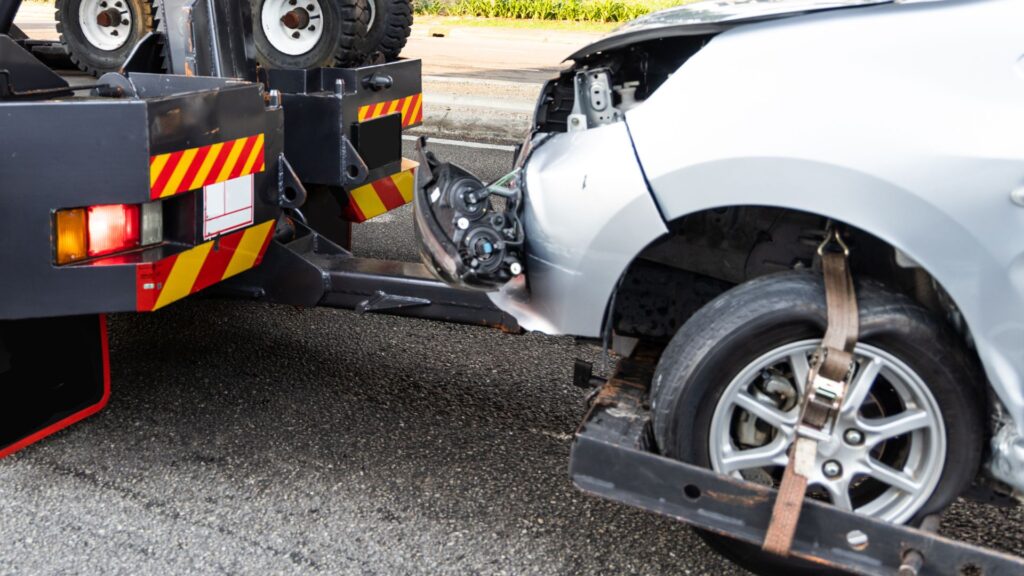
Not all wrecked vehicles are destined for the junkyard. Many salvage-title cars find new life after undergoing repairs and restoration. For dealers, hobbyists, and rebuilders, transporting these vehicles safely is the first crucial step in turning a damaged car into a roadworthy resale opportunity.
However, moving a salvage vehicle presents unique challenges, from handling non-operational cars to navigating legal restrictions. In this guide, we’ll explore the best practices for transporting wrecked vehicles, the restoration process, and how to turn a totaled car into a profitable investment.
Understanding Salvage Vehicles
What Is a Salvage Title?
A salvage title is given to a vehicle that has been deemed a total loss by an insurance company. This could be due to:
✔ Accidents
✔ Flood or fire damage
✔ Theft recovery
While these cars may appear beyond repair, many can be restored and resold at a fraction of the cost of a new car.
Where Do Salvage Vehicles Come From?
- Insurance auctions – Vehicles totaled by insurers
- Repossessions – Cars recovered by banks
- Natural disasters – Flood and hurricane-damaged vehicles
- Trade-ins – Old or heavily damaged cars sold for parts or repair
Challenges of Transporting Wrecked Vehicles
🚨 Structural Damage & Loading Issues
- Non-running vehicles require winches or special equipment.
- Broken axles or missing wheels complicate transport.
🚨 Legal & Regulatory Restrictions
- Some states require permits to move salvage cars.
- Vehicles with severe damage may not be allowed on public roads.
🚨 Cost Considerations
- Transporting a damaged car is more expensive due to special handling needs.
Insurance Considerations for Salvage Vehicle Transport
✔ Verify carrier’s insurance coverage
✔ Check for damage exclusions (some policies exclude salvage cars)
✔ Document vehicle condition before shipping
Reselling Salvage Vehicles: Maximizing Profitability
🔹 Best Places to Sell Rebuilt Cars
✔ Dealerships
✔ Online marketplaces (eBay, Craigslist, Facebook Marketplace)
✔ Car auctions
🔹 How to Market a Rebuilt Car
✔ Highlight the restoration work done
✔ Provide full vehicle history
✔ Offer inspection reports for transparency
Conclusion
Turning a wrecked car into a showroom-ready vehicle is a rewarding process, but safe and efficient transport is the key to success. Whether you’re an auto dealer, restorer, or enthusiast, understanding the best transport methods, legal requirements, and restoration process will help you maximize profits and minimize risks.
Latest articles

5 min read
Cost Factors in Auto Transport: What Determines Your Shipping Quote
Insurance and Liability Coverage Basic Carrier Insurance Coverage When it comes to shipping your ...

5 min read
How to Track Your Vehicle During Transit: A Complete Guide
Shipping your car—whether across states or overseas—can be stressful. One of the most common ques...

5 min read
The Process of Shipping a Car Internationally
Shipping a car internationally might sound like a major task, but with the right preparation and ...